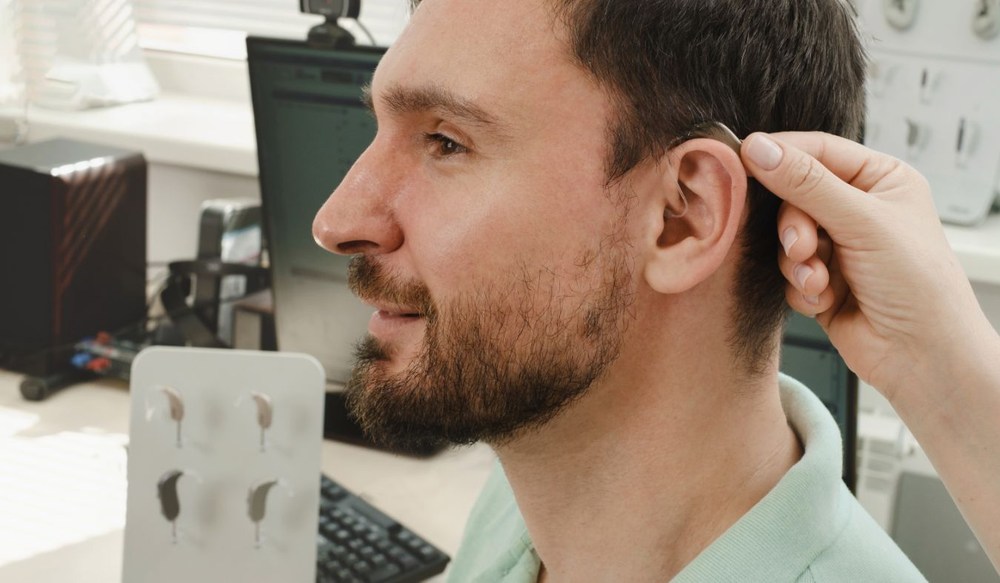
Here’s something most people don’t think about: your hearing can start changing in your 40s and 50s, and you probably won’t even notice it happening. It’s not like waking up one day and suddenly everything’s muffled. It’s more gradual than that.

You just start assuming everyone mumbles now, restaurants have gotten way too loud or that people don’t speak as clearly as they used to. You make little adjustments without realizing it, and before long, those adjustments are just part of how you live.

Getting a hearing test after 40 gives you a baseline so you actually know where your hearing stands instead of just guessing or assuming everything’s fine.

The reason this matters goes beyond just whether you can hear the TV. When you’re not hearing well, it affects how you do your job, how comfortable you feel around friends and family, and whether you’re actually enjoying the things you used to love doing.

Conversations take more effort. You miss details in meetings. Social events start feeling exhausting instead of fun. And a lot of times, the people around you think you’re not paying attention or that you’re ignoring them when really you just didn’t hear what they said.

Whether you need hearing aids, some simple changes or just reassurance that your hearing is holding steady, knowing where you stand helps you stay ahead of problems before they start affecting your daily life.

How Hearing Can Change As You Get Older

Hearing changes often begin in your 40s or 50s and usually happen slowly. High-pitched sounds may become harder to hear, and following conversations in busy places can take more effort.

Understanding these changes helps you plan ahead and remain active in your daily life. On the other hand, missing important sounds or words can make social events feel tiring or less enjoyable. These shifts are common and affect many adults as they age.

How Often Adults Over 40 Should Get Their Hearing Checked

Most adults over 40 should have their hearing checked every three years, even if they do not notice any changes. Regular checkups help catch subtle hearing changes early, making it easier to address them before they start affecting daily life.

A helpful checklist includes:

  • Screening every three years after age 40: Regular checkups help monitor gradual changes that might not be obvious day to day.
  • Schedule a check sooner if you notice changes: If you start having trouble following conversations, asking people to repeat themselves more often or noticing ringing in your ears, it’s a good idea to book a hearing test sooner than your routine schedule.
  • Get tested more often if you have a family history of hearing loss: Genetics can play a role, so adults with relatives who have hearing loss may benefit from more frequent screenings.
  • Consider additional testing for certain health conditions: Conditions like diabetes, high blood pressure, heart disease or repeated ear infections can affect hearing. Your audiologist may recommend checking more often if you have these concerns.
  • Keep track of new symptoms between visits: Recognizing changes such as muffled hearing, ear fullness or sudden ringing helps you provide accurate information at your next appointment and ensures issues are addressed promptly.

Why Gradual Hearing Changes May Go Unnoticed

Gradual hearing changes often go unnoticed because they happen so slowly. You might start missing a few words in conversations, struggling more in noisy environments or noticing that certain high-pitched sounds, like birds or alarms, seem quieter than before.

Because these changes happen incrementally, your brain often compensates without you realizing it, filling in gaps and helping you follow conversations even when some sounds are harder to hear. This can make it easy to overlook the early signs of hearing loss.

Other factors can make gradual hearing loss even less obvious. You may unconsciously rely more on lip reading, facial expressions or context clues to understand what others are saying.

You might also increase the volume on the television, radio or phone calls without thinking about it. Friends and family often notice subtle differences before you do, like asking you to repeat yourself more often or noticing you seem to withdraw from group conversations.

Effects of Untreated Hearing Loss on Everyday Activities

Untreated hearing loss can make everyday activities more difficult, but there are ways to manage these changes. Try sitting closer to the person speaking, turning on subtitles when watching TV and choosing quieter places for conversations.

A common effect is feeling left out during group conversations or social gatherings because it is harder to follow what others are saying. This can lead to frustration or even avoiding social events.

Using helpful strategies like asking people to speak clearly, reducing background noise and planning activities in smaller groups can help you stay connected and comfortable in daily life.

Social and Emotional Changes Associated With Hearing Loss

Hearing loss can affect more than just the ability to hear sounds clearly. It often changes the way you interact with people and the world around you. Conversations that used to feel natural can become tiring or frustrating, especially in busy or noisy environments.

These challenges can lead to avoiding social situations, even with close friends or family, simply because keeping up with the conversation feels exhausting.

These changes can also influence your emotional well-being. Feeling left out, misunderstood or constantly straining to hear can increase stress, fatigue and even irritability. Some people notice their confidence slipping in social settings, or they may feel anxious about speaking up in group conversations.

How Family History Can Affect Your Hearing Health

Family history can have a strong influence on your hearing health. If close relatives, like parents or siblings, have experienced hearing loss, there is a higher chance that you may face similar changes at some point in your life. Genetics can affect how the inner ear develops and functions, making certain types of hearing loss more common in some families.

You can spot early signs related to your family history by staying aware of how your ears handle everyday situations. Conversations in noisy rooms, the sound of the doorbell or phone calls are all good things to track.

Your audiologist gets a better sense of your risk factors when you share these specific details. This information helps you make better choices to support your hearing as time goes on.

Links Between Other Health Issues and Hearing Loss

Other health issues can have a bigger impact on your hearing than most people realize. Conditions like diabetes and high blood pressure can affect the tiny blood vessels in your inner ear, which in turn can make it harder to hear clearly.

You might notice that sounds seem a little duller, that conversations in noisy rooms are more challenging or that ringing in the ears starts appearing.

Heart disease, certain infections and some medications can also influence hearing. Medications used for serious illnesses, like cancer treatments or strong antibiotics, sometimes come with side effects that affect the inner ear.

Even if hearing changes seem minor, new ringing, a feeling of fullness in the ears or difficulty following conversations are signs it’s worth checking in with a healthcare provider.

Hearing is also connected to other aspects of your daily life. Untreated changes in hearing can make it harder to communicate, which can lead to feeling isolated or frustrated, and it can make following instructions, watching movies or participating in group activities more tiring.

Because changes in hearing often happen alongside vision or balance challenges, keeping up with regular checkups for all these areas can help you address issues before they interfere with everyday life

What Happens During a Hearing Test

A hearing test is a simple and comfortable process that helps determine if you have any changes in your hearing. It usually starts with a few questions about your general health, lifestyle and any changes you may have noticed in your hearing. This gives the audiologist context and helps guide the testing process.

Your audiologist may recommend different types of tests depending on what they want to learn about your hearing.

Some tests help identify which pitches or volumes are harder for you to hear, while others show how well you understand speech in quiet or noisy environments. Certain tests can determine whether hearing changes are related to the inner ear, the middle ear or both.

Common types of hearing tests include:

  • Pure-tone testing: Measures the softest sounds you can hear at different pitches. This helps identify which frequencies might be harder for you to detect.
  • Speech testing: Checks how well you can understand words at different volumes, both in quiet and in noisy environments.
  • Bone conduction testing: Determines whether hearing loss is related to the inner ear or the outer and middle ear. A small device placed behind the ear sends vibrations through the skull to bypass the eardrum.
  • Tympanometry: Evaluates the function of your eardrum and middle ear. This test can detect fluid, pressure issues or other problems affecting hearing.
  • Otoacoustic emissions (OAE): Measures how your inner ear responds to sound. Often used for children or as a quick screening, it can show how well the cochlea is working.

What to Expect if You Are Diagnosed With Hearing Loss

If you are diagnosed with hearing loss, one of the most common and effective solutions is using hearing aids. Modern hearing aids are designed to fit your lifestyle and listening needs, whether you spend time in quiet settings, busy workplaces or social gatherings.

They work by amplifying sounds you have difficulty hearing, making speech clearer and everyday sounds easier to follow without straining.

When you start using hearing aids, there is often an adjustment period as your brain adapts to hearing sounds more clearly. You may notice differences in volume, background noise or certain high-pitched sounds at first. Your audiologist will work with you to fine-tune the devices so they match your specific hearing profile and preferences.

Taking Care of Your Hearing Health After 40

Hearing changes in your 40s and 50s can sneak up on you, but addressing them doesn’t have to be complicated. Whether it means exploring hearing aids or making small adjustments, taking action gives you options that fit your life.

The team at The Hearing Group of New Mexico can guide you through what makes sense for you. Reach them in Albuquerque at (505) 717-8374 or in Los Lunas at (505) 847-3495 to talk about next steps or schedule a hearing test.

A little attention now can make a noticeable difference in how you experience conversations and interactions.