Hearing loss affects millions worldwide, impacting daily life in countless ways. From struggling to follow conversations to missing out on the subtle sounds of nature, hearing impairment can significantly reduce one’s quality of life. Fortunately, modern hearing aids offer a powerful solution to this pervasive problem. These sophisticated devices have revolutionized the treatment of hearing loss, allowing individuals to reconnect with the world of sound around them. In this comprehensive exploration, we’ll delve into the myriad ways hearing aids help treat hearing loss, examining their mechanisms, benefits, and the profound impact they can have on an individual’s life.

Understanding Hearing Loss

Hearing loss can stem from various causes, including age-related changes, noise exposure, genetic factors, and certain medical conditions. It’s crucial to recognize that hearing impairment isn’t a one-size-fits-all condition.

There are three primary types of hearing loss:

  • Sensorineural: Caused by damage to the inner ear or auditory nerve
  • Conductive: Results from problems in the outer or middle ear
  • Mixed: A combination of both sensorineural and conductive hearing loss

The severity can range from mild to profound, affecting one or both ears. Understanding these distinctions is key to effective treatment.

Hearing Aid Technology Basics

Modern hearing aids are marvels of miniaturization and digital processing. These tiny devices pack a powerful punch, amplifying and processing sound to match the user’s specific hearing profile.

At their core, hearing aids contain several key components:

  • Microphones to pick up sound
  • A processor to analyze and adjust the audio signal
  • A receiver (speaker) to deliver the amplified sound to the ear
  • A battery for power

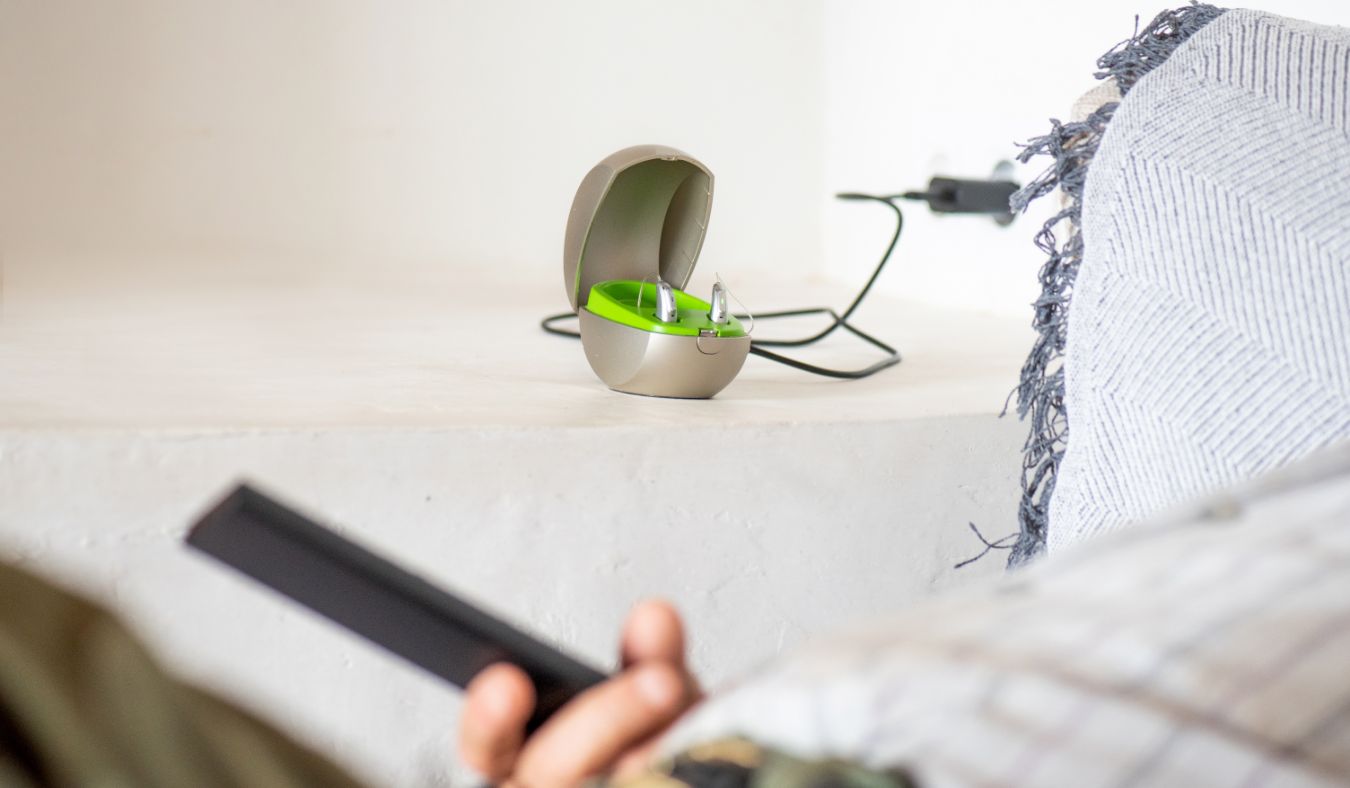
Advanced models incorporate features like noise reduction, feedback cancellation, and directional microphones. Some even offer wireless connectivity, allowing users to stream audio directly from smartphones or other devices.

Sound Processing in Hearing Aids

Hearing aids work by capturing sound through their microphones and converting it into a digital signal. This digital information is then processed by a sophisticated chip within the device. The chip analyzes the sound, makes adjustments based on the user’s programmed settings, and converts the signal back into an acoustic wave. This processed sound is then delivered to the ear through the receiver.

The entire process happens in milliseconds, ensuring users can hear sounds in real-time. This rapid processing is crucial for maintaining natural speech patterns and allowing seamless engagement in conversations.

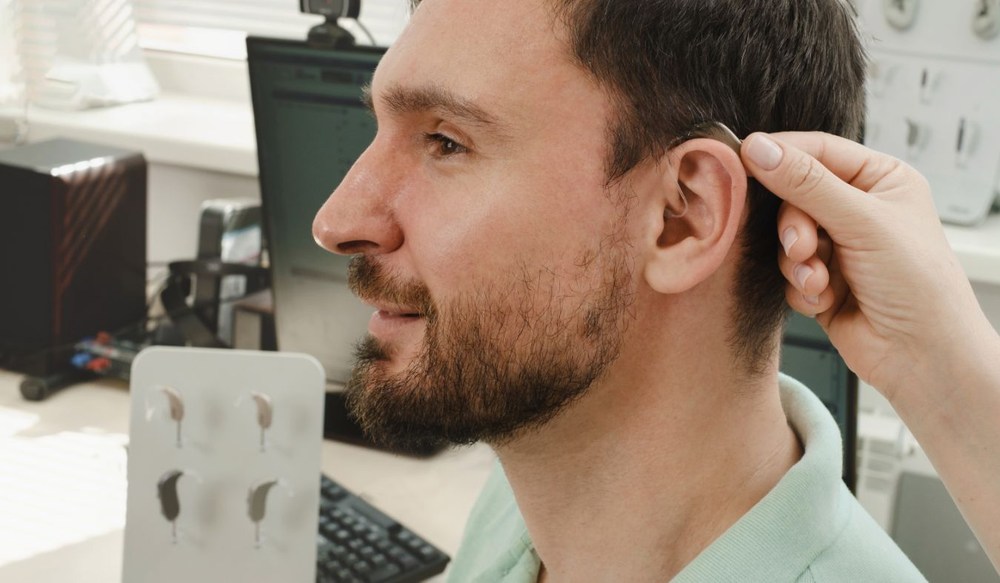
Customization is key in modern hearing aids. Audiologists use detailed hearing tests to create an audiogram – a map of an individual’s hearing loss. This information is used to program the hearing aid, ensuring it provides the right amount of amplification across different frequency ranges.

Many hearing aids offer multiple programs or settings that can be adjusted for different listening environments. Some advanced models can even automatically detect the user’s surroundings and adjust settings accordingly.

Improving Speech Understanding

One of the most significant challenges for those with hearing loss is understanding speech, especially in noisy environments. Hearing aids address this issue through several mechanisms.

First, they amplify sounds in the frequency range of human speech, making it easier for users to hear and distinguish words. Additionally, many incorporate noise reduction technology that can identify and suppress background noise while prioritizing speech sounds.

Some hearing aids feature directional microphones that focus on sounds coming from in front of the user. This technology can significantly improve speech understanding in challenging listening situations, allowing users to participate more fully in social interactions.

Enhancing Spatial Awareness

Hearing loss can affect not only the ability to hear sounds but also to locate their source. This can be particularly problematic in situations where spatial awareness is crucial, such as crossing a busy street.

Hearing aids, especially when worn in both ears (binaural fitting), can help restore the ability to localize sounds. By providing balanced amplification to both ears and preserving the subtle differences in timing and intensity of sounds reaching each ear, hearing aids help the brain interpret the direction of sound sources.

This improved spatial awareness not only enhances safety but also contributes to a more natural and immersive listening experience.

Tinnitus Management

Many individuals with hearing loss also experience tinnitus, often described as a ringing or buzzing in the ears. While hearing aids are primarily designed to amplify external sounds, they can also be beneficial for those suffering from tinnitus.

By increasing the volume of environmental sounds, hearing aids can help mask the internal noise of tinnitus, making it less noticeable and bothersome. Some models even come with built-in sound generators that can produce white noise or other soothing sounds specifically designed to provide relief from tinnitus.

Cognitive Benefits

The benefits of hearing aids extend beyond just improved hearing. Research has shown that untreated hearing loss can lead to cognitive decline and an increased risk of dementia. By restoring auditory input, hearing aids can help keep the brain active and engaged, potentially slowing cognitive decline.

When individuals with hearing loss strain to hear and understand speech, it can be mentally exhausting, leaving fewer cognitive resources for other tasks like memory and processing. By making listening easier, hearing aids can reduce this cognitive load, allowing users to focus more on the content of conversations and their surroundings rather than struggling to hear.

Social and Emotional Impact

The social and emotional benefits of hearing aids cannot be overstated. Hearing loss can lead to social isolation, as individuals may withdraw from social situations due to difficulty communicating. This isolation can contribute to depression and decreased quality of life.

By improving communication abilities, hearing aids can help users reconnect with friends and family, participate more fully in social activities, and maintain their independence. Many hearing aid users report feeling more confident and less anxious in social situations after being fitted with their devices. This improved emotional well-being can have far-reaching effects on overall health and life satisfaction.

Adaptation and Ongoing Care

While hearing aids can provide significant benefits, it’s important to note that adapting to them takes time and patience. The brain needs to adjust to the new auditory input, and users may need to practice listening in different environments to fully benefit from their devices.

Regular follow-up appointments with an audiologist are crucial for fine-tuning the hearing aids and addressing any concerns. Most people find that the benefits of hearing aids far outweigh any initial discomfort or adjustment period. With consistent use and proper care, hearing aids can become an integral part of daily life, dramatically improving hearing ability and quality of life.

Technological Advancements

The field of hearing aid technology is constantly evolving, with new features and capabilities being introduced regularly. Some of the latest advancements include Bluetooth connectivity, rechargeable batteries, smartphone apps for discreet control, artificial intelligence for adaptive learning, and telehealth capabilities for remote adjustments.

These technological innovations continue to improve the functionality and user experience of hearing aids, making them more effective and user-friendly than ever before.

The Hearing Group of New Mexico Your Partner in Better Hearing

At The Hearing Group of New Mexico, we’re committed to helping our community rediscover the joys of better hearing. Our team of experienced audiologists provides comprehensive hearing care, including thorough evaluations, expert fitting of hearing aids, and ongoing support. With locations in Los Lunas and Albuquerque, we’re here to serve you.

We offer a wide range of advanced hearing aid options and work closely with each patient to find the solution that best fits their unique needs and lifestyle. Our audiologists stay up-to-date with the latest advancements in hearing technology to ensure our patients have access to the most effective treatment options available.

Don’t let hearing loss hold you back. Early intervention is key to managing hearing loss effectively. Contact The Hearing Group of New Mexico today at (505) 847-3495 for our Los Lunas office or (505) 717-8374 for our Albuquerque location to schedule a consultation. Take the first step towards better hearing and improved quality of life with the support of our caring and knowledgeable team.