Do I Need a Hearing Test? Screening Guidelines After 40
Here’s something most people don’t think about: your hearing


By: admin | September 24, 2025
Hearing loss in children presents unique challenges that are completely different from adult hearing issues. Kids are still growing and developing, which means their ear anatomy is constantly changing. What works for a three-year-old might not fit properly six months later. Children also develop hearing problems for different reasons than adults, from birth complications to frequent ear infections to genetic conditions. On top of that, kids can’t always communicate what they’re experiencing with their hearing, making it harder for parents and doctors to understand the full scope of the problem.
The field of pediatric hearing solutions has made significant strides in recent years to address these specific challenges. Technology has become more adaptable to growing children, and treatment approaches have been designed with developmental needs in mind. Instead of simply scaling down adult solutions, manufacturers and healthcare providers now create hearing devices and treatments specifically for the way children’s ears and brains process sound. These advances recognize that helping a child hear well isn’t just about the technology itself, but about supporting their language development, social skills and academic success during crucial developmental years.
Early hearing support is essential for children. Addressing hearing loss quickly gives children a better chance to develop language and social skills alongside their peers. With timely help, children are more likely to follow lessons in class, join in group play and feel included in everyday conversations. These early experiences shape how they learn, express themselves and form friendships.
Early intervention also supports confidence in school and daily life, giving children the tools they need to participate fully and without hesitation. When hearing challenges are managed early, kids can build strong communication skills that carry into adulthood, influencing their academic success, social relationships and future opportunities. The earlier support begins, the stronger the foundation for growth.
Understanding the link between hearing loss and speech or language growth is important for supporting your child’s learning. Children learn to speak and understand language by listening to sounds around them. When hearing loss is present, it can be harder to pick up new words or pronounce them clearly. Early support allows many children to develop strong speech and language skills, even with hearing loss. Staying informed about these effects helps families prepare their children for success in school and social situations.
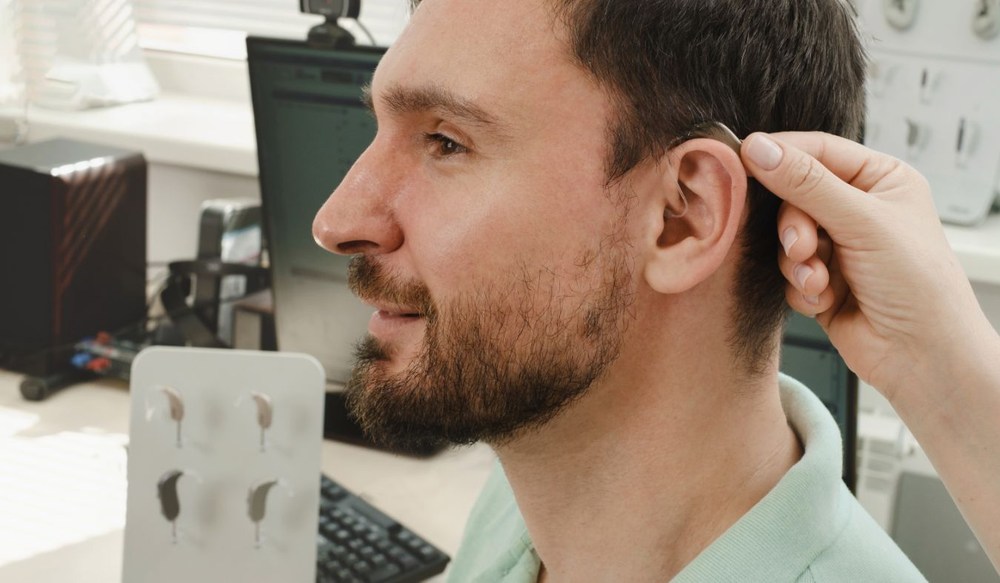
Modern hearing technology for children offers features that make daily life easier and more comfortable. Devices often include Bluetooth streaming, rechargeable batteries, noise reduction and smaller designs that fit comfortably behind the ear.
When considering options, think about whether the device has wireless connectivity for classroom use, is easy to recharge, can filter out background noise and is designed for comfort. These features support learning and social interactions in many settings.
Pediatric hearing solutions are designed specifically for children, with both safety and practicality in mind. Features like tamper-resistant battery doors and secure parts give parents peace of mind, while smaller sizes and lighter designs make them easier for kids to wear. Many devices also include extra durability to handle active play, sports and everyday adventures without worry.
These differences help ensure that young users can wear their devices safely and comfortably throughout their daily routines. They also make it easier for children to focus on school, interact with friends and explore their environment with confidence. Tailored technology meets the unique needs of children, supporting healthy development and helping them stay engaged in every part of daily life.
Children with hearing loss may sometimes feel different from their peers, especially when they start using hearing devices. Modern pediatric solutions now include features that help children feel included and confident. Bright colors, fun patterns and customizable covers allow children to express their personalities and feel proud of their devices.
Support groups and peer programs are available in many communities, giving children a chance to meet others with similar experiences, share stories and build friendships. Emotional support is just as important as having the right technology for healthy development.
Family education is a key part of helping children get the most from their hearing solutions. When parents and caregivers understand how devices work, how to care for them and how to encourage good listening habits, children are more likely to use their devices consistently.
Workshops, online resources and training sessions teach families about device maintenance, troubleshooting and communication strategies. This knowledge helps families feel more confident in supporting their child’s hearing care at home, at school and during social activities.
Digital processing features in today’s pediatric hearing devices help children hear more clearly in different situations. These features can automatically adjust to changes in background noise, making it easier for your child to focus on voices at school or on the playground. Many devices also include feedback management to reduce whistling sounds.
Some devices offer directional microphones that pick up speech from specific directions, helping children understand conversations even in busy places. Other features may include connectivity with classroom technology or apps that allow parents and teachers to monitor device settings. These advancements support learning and social interaction by providing better sound quality and easier controls.
Wireless connectivity in pediatric hearing devices allows children to link their hearing aids directly to phones, tablets and classroom technology. This makes it easier for them to hear teachers, friends and family members clearly during calls or while using educational apps.
These features help reduce background noise and support better focus in busy places. Wireless options also allow children to participate more fully in group activities and keep up with lessons or conversations without missing important information.
Every child with hearing loss has unique needs, and hearing solutions should reflect those differences. Our team works closely with families to select devices and settings that fit a child’s age, lifestyle and daily activities.
Choosing the right options can feel like a big task. When you take into account comfort, ease of use and how well a device works in different environments, it can make a real difference in your child’s confidence. Adjustments are often needed as children grow or as their listening needs change. Regular check-ins with a specialist help ensure the device continues to support your child’s learning and social life.
Comfort and safety are top priorities in pediatric hearing devices. Many devices now use soft, hypoallergenic materials and lightweight designs to make wearing them easier for children.
Special features like tamper-resistant battery doors help prevent young children from removing batteries or small parts. Some devices also include secure fit options like custom ear molds or clips to keep them in place during active play.
Bright colors and fun designs can help children feel more comfortable and confident about wearing their hearing devices. These thoughtful details support both safety and well-being throughout daily routines.
Active children need hearing devices that can handle rough play, sports and unexpected weather. Many pediatric hearing solutions are now built with strong materials and water-resistant features to help protect against drops, sweat and splashes.
These devices often have special coatings or sealed parts to keep out moisture and dirt. Choosing a durable and water-resistant option helps your child stay comfortable during daily activities at school or on the playground.
Remote programming and adjustments make caring for pediatric hearing devices much simpler for families. With this technology, an audiologist can fine-tune your child’s device settings from a distance, so there is often no need to visit the clinic for every small change. This convenience allows parents to address issues quickly without interrupting school, work or daily routines.
For families who live far from the clinic, remote care can ease the challenge of travel while still ensuring children receive consistent support. It also helps reduce wait times, since small adjustments can often be handled in real time. This type of flexibility makes it easier for families to stay on top of their child’s hearing needs, helping kids continue to thrive at home, in the classroom and during activities without unnecessary delays in care.
Parental controls and monitoring tools in pediatric hearing devices give families more confidence in managing their child’s hearing care. These features let parents check battery levels, track device usage and adjust settings from a smartphone or tablet.
Having access to these tools means you can quickly spot if something is wrong with the device or if your child is not wearing it as often as needed. This helps you support your child’s listening and learning without needing constant clinic visits.
Monitoring tools also allow for better communication between families and specialists. When you can share accurate information about how the device is being used, it becomes easier to make adjustments that match your child’s needs.
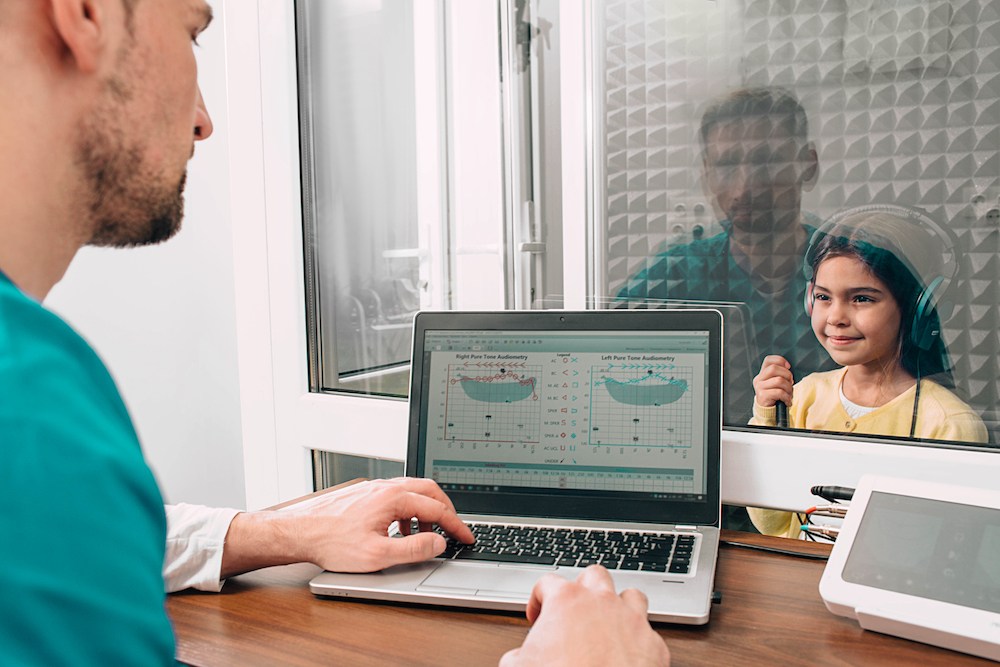
Regular visits with your audiologist help ensure your child’s hearing devices are working as they should. These checkups allow for small adjustments that keep sound quality clear and comfortable as your child grows.
About one in five children with hearing loss may need changes to their device settings each year due to growth or changes in listening environments. Regular appointments also give families a chance to ask questions and share any concerns about their child’s progress.
Specialists can spot issues early, like problems with fit or device function, before they become bigger problems. Ongoing care supports your child’s learning, communication and confidence at every stage of development.
Choosing the best hearing solution for your child involves looking at several important factors. Each child has different needs based on age, type of hearing loss and daily activities. Families can work with an audiologist to compare options and find a device that fits their child’s lifestyle.
When making this decision, consider the following:
Supporting a child with hearing loss is about more than simply fitting them with a device. It means paying attention to how well those solutions keep up with their growth, changes in school demands and the way they interact with the world around them. When we take a child’s development into account, we are not only helping them hear better today but also setting the stage for stronger confidence, learning and communication as they grow.
If you’re looking for guidance and support, The Hearing Group of New Mexico is here to help. With offices in Albuquerque at (505) 717-8374 and Los Lunas at (505) 847-3495, we work with families to find solutions that fit each child’s needs and lifestyle.
Here’s something most people don’t think about: your hearing
By: admin | February 20, 2026
For musicians, hearing isn’t just about following conversations or
By: admin | December 21, 2025
Hearing loss in children presents unique challenges that are completely
By: admin | September 24, 2025
Schedule an appointment with our family-friendly staff of hearing specialists today!