Do I Need a Hearing Test? Screening Guidelines After 40
Here’s something most people don’t think about: your hearing

By: admin | December 21, 2025
For musicians, hearing isn’t just about following conversations or catching sounds in daily life. It’s the foundation of everything you do. You need to hear pitch accurately, distinguish between subtle differences in tone and pick up on the full range of frequencies that make music what it is.
Standard hearing aids are designed to prioritize speech, which means they often compress or filter out the very sounds that matter most when you’re playing or listening to music.
If you’re a musician dealing with hearing loss, you might find that regular hearing aids make music sound flat, distorted or just wrong. That’s not just frustrating. It can affect your ability to perform, rehearse with others and enjoy the music you’ve dedicated so much time to.
The right hearing aid can help you stay in tune with your music and your bandmates without compromising the quality or accuracy you rely on.
Musicians need to hear a broader range of sounds than most people. Standard hearing aids may not pick up every note or tone, which can make it difficult to catch important musical details.
Devices with music programs help you hear more of what matters during practice and performances.
Background noise can also be a problem, especially when playing in groups or on stage. Too much noise makes it hard to focus on your own instrument or voice. Hearing aids with directional microphones or noise reduction features can help separate music from unwanted sounds.
Music does not follow the steady patterns we hear in regular conversation. Notes rise and fall in much larger steps, instruments blend together and rhythms shift in ways that can be subtle or dramatic.
These changes can make music feel fuller and more layered than spoken words, which usually stay within a narrower range of pitches and volume.
Because music stretches sound in so many directions, hearing aids often need settings that are tuned specifically for musical detail. A music program can open up more of the natural shape of each note, reduce automatic adjustments that work well for speech and bring out the richness that instruments create.
Small changes to volume and sound quality controls can also help you match the way music moves, giving you a listening experience that feels more natural and balanced.
If you have ever heard a high-pitched squeal or whistling sound from your hearing aids during practice or performances, you have experienced feedback. For musicians, this can interrupt focus and enjoyment. Managing feedback is essential to maintain clear sound.
Modern hearing aids often include advanced feedback management systems. These systems help reduce unwanted noises without sacrificing music quality.
Some devices offer special adjustments tailored for musical settings, making it easier to control feedback even in loud environments like concerts or rehearsals. With the right settings, you can experience more natural sound while playing or listening to music.
Music also has greater volume changes than speech. Sudden loud notes can be uncomfortable, while soft passages may be hard to hear. Adjustable volume settings let you enjoy both quiet and loud parts of music without missing details or feeling discomfort.
Many musicians notice that regular hearing aids do not always meet their needs during performances or practice. Music can sound dull or distorted because standard devices are usually tuned for speech. This may cause instruments to sound unnatural or certain notes to blend together, making it harder to hear each part clearly.
Volume control is another issue. Music often shifts from very soft to very loud, but many standard devices do not adjust smoothly enough, causing discomfort during sudden changes in sound.
Background noise in group settings or on stage can also be a problem. Regular hearing aids might amplify unwanted sounds along with the music, making it difficult to focus on your own instrument or voice.
Sound quality is especially important for musicians. Hearing every detail helps you pick up on small changes in pitch and the way different instruments blend together.
Clear sound makes it easier to stay in tune and keep time with other musicians.
When sound quality is poor, music can seem flat or muddy. This makes it harder to enjoy playing or listening. For musicians, being able to hear every note clearly supports better performance and helps you connect with your audience.
Hearing aids made for music often include features that help you hear more detail and clarity in every note. These devices may offer wider frequency ranges, higher input limits and music-specific programs that better match the sound of live instruments.
Some hearing aids let you adjust settings for different musical environments, like concerts or practice rooms. Features like advanced feedback management, customizable equalizers and improved microphones can reduce distortion and make both soft and loud passages more comfortable to hear.
With these options, you can enjoy a more natural listening experience that supports your passion for music.
Wide dynamic range is important for hearing all the soft and loud parts of music without missing details or feeling discomfort. Music often changes in volume quickly, so hearing aids with wide dynamic range help you hear both quiet and powerful sounds more clearly.
If your hearing aids have this feature, try using music programs or settings that take advantage of it during practice or performances. Adjusting these settings can help you enjoy a fuller sound experience, making it easier to pick out each instrument and note.
Ask your specialist about adjusting compression levels in your devices. Lower compression can keep soft notes from getting lost while still protecting your ears from sudden loud sounds during musical events.
Using hearing aids with music-specific programs or settings can help reduce distortion during live performances. These programs are designed to handle the wide range of sounds in music, making each note clearer and more natural.
Adjusting microphone settings or using external microphones can help capture sound from the right direction and reduce unwanted background noise that might cause distortion.
Work with your audiologist to fine-tune compression and gain settings for live music environments. Proper adjustments can prevent loud sounds from becoming harsh while still letting you hear softer details in your performance.
Customizable settings in hearing aids let musicians adjust how their devices work in different musical environments. Custom programs can help manage background noise, control feedback and adjust volume so music sounds clear no matter where you are.
These adjustments give you more control over your listening experience. Just as a sound engineer changes the mix for each song or venue, customizable hearing aid settings allow you to fine-tune what you hear during any musical activity.
Managing feedback can be difficult when you play different instruments, especially if you switch between loud and quiet sounds. Each instrument produces its own set of tones and volumes, which can sometimes cause your hearing aids to make that annoying whistling noise.
Certain instruments, like brass or woodwinds, can point sound directly toward your hearing aids and trigger feedback more easily. Using custom earmolds or adjusting the position of your hearing aids can help reduce this problem so you can focus on playing without interruptions.
Directional microphones in hearing aids are especially helpful for musicians performing on stage. These microphones focus on sounds coming from a specific direction, like your own instrument or voice, while reducing background noise from other sources.
Key benefits include:
Wireless connectivity in hearing aids can make a big difference for musicians who need to monitor and mix audio during practice or live shows.
Bluetooth-enabled hearing aids allow you to stream audio straight from mixing boards or apps on your phone. You can adjust the balance and volume through your device’s controls so you can focus on the details of each instrument or vocal part while performing or recording.
When using hearing aids with musical equipment, making sure your devices and gear work well together is important. Some hearing aids may connect directly to amplifiers, mixers or wireless systems through Bluetooth or telecoil features.
Before a performance or rehearsal, check if your hearing aids are compatible with the equipment you plan to use.
If you notice sound issues like distortion or feedback when connecting to musical gear, try adjusting the settings on both your hearing aids and the audio equipment. Lowering the output volume from speakers or mixers can help prevent overwhelming your devices. Using audio cables designed for assistive listening can also improve sound quality.
Talk with your audiologist about any specific needs related to music technology. They can help adjust programs in your hearing aids for better compatibility and suggest accessories that support clearer sound during practice and performances.
This helps create a smoother experience when playing music with different types of electronic equipment.
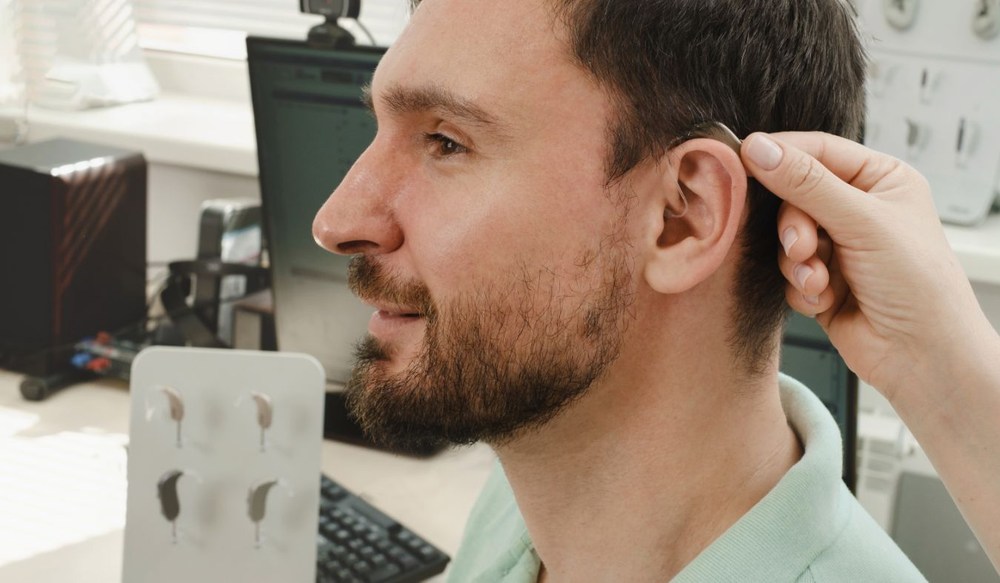
An audiologist can adjust your hearing aids to better match the way you listen to music. This process involves fine-tuning settings like frequency response, volume limits and feedback controls so that musical tones sound clear and natural.
These adjustments help make sure that both soft and loud notes are comfortable to hear without distortion.
Audiologists can also create custom programs in your devices for different musical environments, like rehearsals or live performances. Working with a professional ensures your hearing aids are set up for the unique demands of music, not just everyday speech.
In addition to music adjustments, many specialists can provide advice on using assistive listening accessories that connect directly to instruments or sound systems for even clearer audio during practice or shows.
Keeping your hearing aids in top shape is important for musicians who rely on clear, accurate sound.
Clean your hearing aids regularly to prevent wax or debris from blocking microphones and speakers. Moisture from sweat or humid environments can also affect performance, so use a drying kit or store your devices in a dry place after rehearsals and shows.
Protect your hearing aids from impacts by handling them carefully when switching instruments or moving around on stage. If you use custom earmolds, make sure they fit well and are free of cracks or buildup.
Regular maintenance helps you hear music clearly and reduces the chance of unexpected problems during important moments.
Musicians benefit from hearing aids that offer advanced feedback management, customizable settings and wide dynamic range. These features support clearer sound quality, better control over background noise and more natural musical experiences whether performing live or rehearsing.
If you would like to learn more about hearing aids with music-specific features or need assistance adjusting your current devices for musical environments, our team is here to help.
For more information or to schedule a consultation with the team at The Hearing Group of New Mexico, give us a call at Albuquerque: (505) 717-8374 or Los Lunas: (505) 847-3495. Our team is ready to support your needs and help you experience music as clearly as possible.
Tags: benefits of hearing aids, hearing aid features, hearing aid technology

Here’s something most people don’t think about: your hearing
By: admin | February 20, 2026
For musicians, hearing isn’t just about following conversations or
By: admin | December 21, 2025

Hearing loss in children presents unique challenges that are completely
By: admin | September 24, 2025
Schedule an appointment with our family-friendly staff of hearing specialists today!